Short answer: after a professional hot water extraction, most carpet on Long Island dries in about 2 to 4 hours. Thick plush, a soft pad, a cool basement or a damp, closed-up house can stretch that longer. Fresh air, a fan and running the heat or the air conditioning speed it up. Carpet that still feels wet the next day is not normal and should be checked.
The first question people ask after a cleaning is simple: when can we walk on it and put the furniture back? The answer depends less on luck and more on how much water was left in the carpet and how well the room can breathe. When you hire a carpet cleaner on Long Island, drying time is one of the clearest signs of good work. Here is what to expect, what changes it, and how to help your carpet dry fast.
How long carpet takes to dry after a cleaning
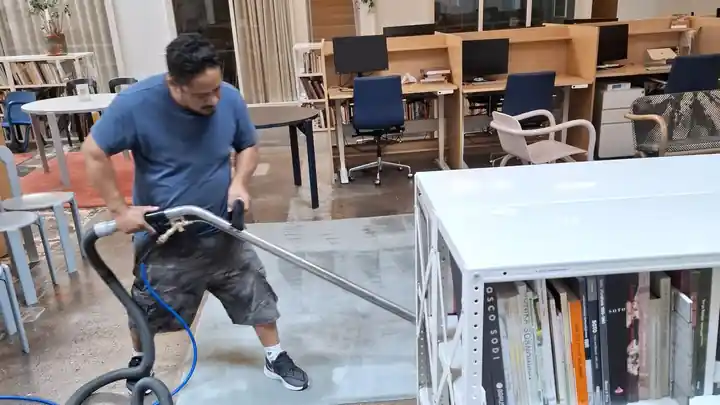
With truck-mounted hot water extraction, the hot rinse goes into the carpet and a strong vacuum pulls most of it right back out to the truck. What stays behind is a light dampness in the fibers, not a soaked carpet. That is why most rooms are dry to the touch in about 2 to 4 hours.
Two things are worth knowing. First, "dry to the touch" comes before "fully dry". The top of the pile dries first, and the base of the fibers can stay a little cool for a few more hours. Second, the number is a range, not a promise. A thin office carpet on a warm day may be ready sooner. A deep shag in a cold room will take longer.
Steam cleaning and so-called dry methods work differently. Our guide to steam cleaning vs. dry carpet cleaning explains why the rinse matters and why good extraction keeps drying time short.
What changes carpet drying time
If two rooms in the same house dry at different speeds, one of these is usually the reason:
- Pile height and fiber. Low, tight loop carpet dries fastest. Thick plush and shag hold more water near the base. Wool holds more moisture than nylon or polyester.
- The pad. A soft, thick pad under the carpet holds moisture if too much water got through. Good extraction keeps the water in the carpet, not in the pad.
- Humidity in the house. Wet air cannot take on much more water. A closed, damp house dries carpet slowly.
- Temperature. Warm air carries moisture away faster than cold air.
- Airflow. Still air sits on the carpet. Moving air carries the moisture off.
- How dirty the carpet was. Heavy soil and old spots need more passes, and the extra passes add a little moisture.
Drying carpet on Long Island in fall and winter
Many people think carpet should not be cleaned in cold weather. In most Long Island homes the opposite is true. Once the heat is on, indoor air is usually drier than in summer, and dry, warm air pulls moisture out of carpet quickly. A living room with the heat running and a fan on often dries on the short side of the range.
The exceptions are the cool, closed parts of the house. A finished basement, a back bedroom with the vent closed, or a room over an unheated garage can stay cool and damp. In those rooms we suggest opening the vent, letting warm air in from the rest of the house, and running a fan or dehumidifier. If a basement carpet smells musty even before a cleaning, read our post on wet basement carpet after heavy rain, because that is a moisture problem to fix first.
In summer, near the South Shore and the North Shore harbors, the air can be very humid. Then the air conditioning is your best drying tool, because it takes water out of the air as it cools.
How to help your carpet dry faster
You do not need special equipment. These simple steps make a real difference:
- Run a box fan or ceiling fan in the room, pointed across the carpet, not straight down.
- In winter, keep the heat on at a normal level. In summer, run the air conditioning.
- Open a window for a short time only if the air outside is dry. On a foggy or rainy day, keep it closed.
- Run a dehumidifier in a basement room and empty it as it fills.
- Keep doors open between rooms so the air can move through the house.
- Put foil squares or plastic furniture blocks under any legs that go back early.
Tip from our crews: touch the carpet with the back of your hand, not your palm. The back of the hand feels coolness better, and a cool spot means there is still moisture at the base of the pile.
Mistakes that slow drying down
What dries fast and what takes longer
| Situation | Usual drying | What helps most |
|---|---|---|
| Low-pile carpet, heated room | Short end of 2 to 4 hours | A fan and normal heat |
| Thick plush or shag | Longer end of the range or more | Fan across the pile, warm room |
| Finished basement | Often longer | Dehumidifier and a fan |
| Wool area rug | Longer than synthetic | Good airflow, raise one end if possible |
| Carpeted stairs | Usually fast | Normal airflow in the hallway |
Area rugs are a separate case. Many fine rugs are better washed off the floor, so the pad and floor never get wet. See our area rug cleaning service.
How our crews keep drying time short
Dry vacuum first
Loose dry soil comes out before any water goes in, so less rinsing is needed.
Pre-treat, do not soak
Traffic lanes and spots get an eco-friendly, non-toxic pre-treatment, applied only where it is needed.
Hot rinse with strong extraction
The truck-mounted unit pulls the rinse back out, and we add dry passes with the wand to lift extra water.
Groom and set up airflow
We groom the pile so air reaches the base and tell you where a fan will help most in your home.

Every visit starts with a walk-through and a price confirmed before any work begins. You can read more about our general carpet cleaning service, and our guide on how often carpet really needs cleaning helps you plan the next visit.
When slow drying is a warning sign
Carpet that stays wet is not just annoying. The EPA advises drying damp or wet building materials and furnishings within 24 to 48 hours to prevent mold growth, and keeping indoor humidity between 30 and 60 percent.
Call us if you notice any of these:
- The carpet still feels wet, not just cool, the next morning.
- A musty or sour smell develops as it dries.
- Brown rings or old spots come back to the surface as the carpet dries.
- The floor under the carpet is wet, or the wet area keeps growing.
A growing wet area usually means water is coming from somewhere else, such as a leak or a wet slab. That is a job for water damage restoration, not another cleaning.
Walking, furniture, kids and pets
You can walk on the carpet in clean socks right after we finish if you need to. For furniture, wait until the carpet is dry to the touch, then put pieces back on the blocks or foil squares for the rest of the day. Kids and pets can use the room once it is dry. Our solutions are eco-friendly and non-toxic, and the rinse removes them along with the dirt. Rug pads that go back under area rugs should be dry too; our post on rug pads explains why they matter.
Fast-drying carpet cleaning around Long Island
Our crews work in all 70 Nassau and 96 Suffolk towns, open 24 hours with same-day appointments. In Nassau County that includes Great Neck, Sea Cliff, Mineola, Hicksville and Freeport. In Suffolk County we work in Northport, Commack, Smithtown and Babylon. See every town on our locations page, or start with our Long Island carpet cleaning home page, based in Manhasset.
Want carpet that is clean and dry the same day? Our truck-mounted hot water extraction pulls the rinse back out, so most carpet dries in about 2 to 4 hours. The price is confirmed before we start, and your first service is $20 off.
Call (516) 905-5477 Get a free quote